Acquisitions due diligence
Checked before commitment
A piece’s history verified against the original record, ahead of your client committing to a purchase.
Source makes provenance verification straightforward to commission, with contributors already based where the records are, checking material against the original before your client commits.
Free to scope. Quoted before you commit. No AI, transparent pricing, findings delivered straight to your inbox.
For advisors handling acquisitions on an ongoing basis, we set up a dedicated research allocation, so a piece can be checked without renegotiating scope and budget for each new opportunity. A brief can often be turned around within days.
Due diligence on an acquisition is only as reliable as the records behind it. A database entry or a summarised provenance history is a starting point, not a conclusion. It still has to be checked against original material, in the archive or library where it is actually held.
A piece’s history verified against the original record, ahead of your client committing to a purchase.
Findings delivered in writing, with archival references, so there is a paper trail behind every conclusion.
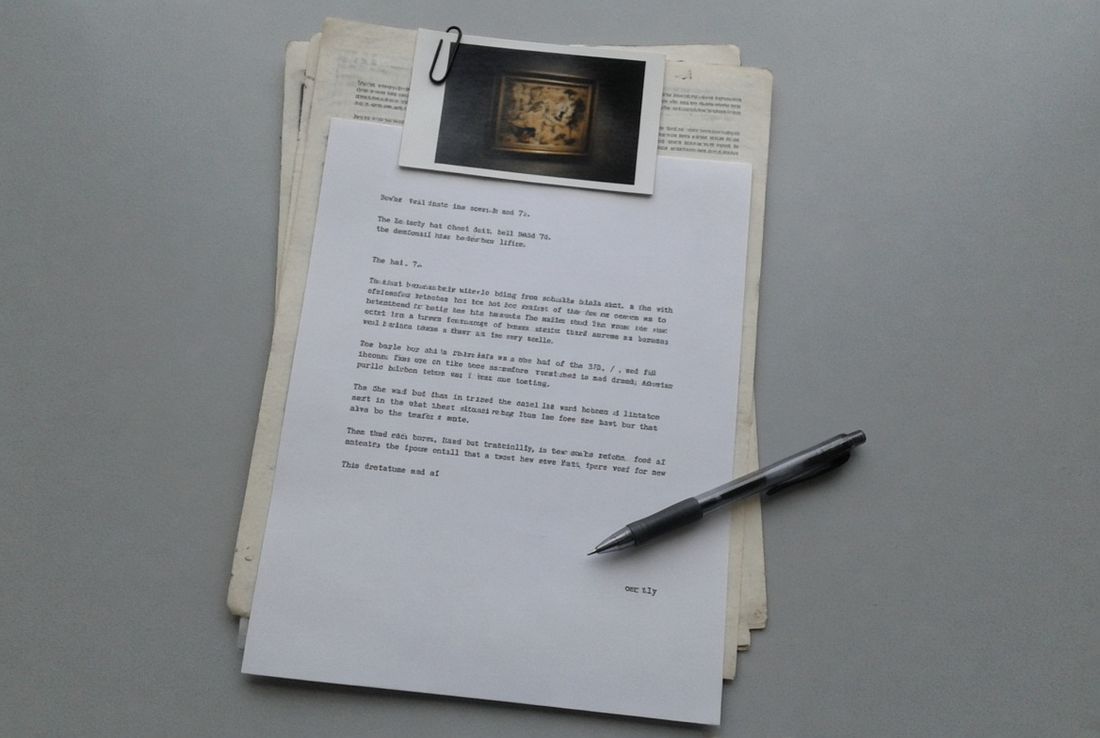
A dedicated research allocation for advisors handling acquisitions regularly, not just a one-off check.
Tell us what you’re trying to establish and the archive or library if you know it.
A contributor already based where the record is held reviews the request and quotes.
The record is checked in person, not summarised from a database or a model.
Findings land in your inbox in writing, with archival references. Payment released on approval.
Source has vetted researchers across a growing international network who hold live reading-room credentials at their local archive, library, or private collection. New locations are added daily.
Figures from the last 90 days of fulfilled requests. You see a quote before you commit to anything.
Provenance information is increasingly being built on citations no one has actually checked against the original document, pulled from tools that summarise rather than verify. At Source, closing that gap is the whole model. Every finding is checked against the primary record itself, in the archive or library where it lives.
"Something you can stand behind if a client asks how a piece’s history was established, not just that it was checked."
Every request is quoted before you commit, and there is no success fee. What a request costs depends on how much material has to be searched and where it is held.
Quoted before you commit, so a check can be costed into an acquisition and passed on to your client as a line item.
Library checks run at a cheaper rate than archival research, which is more complex work.
Hold a balance on account and draw it down per request at a preferential rate. Sized to your practice rather than billed monthly, so a quiet stretch between fairs is not lost.
Source connects you with vetted contributors who go to the archive, registry, or library in person and check what the record actually says. That covers locating the material, reading it, and photographing or transcribing it where needed. It supports acquisitions due diligence, where a database entry or a summarised provenance history is a starting point rather than a conclusion.
No. Source retrieves records and reports what they show. Attribution, authentication, valuation, and legal advice are outside what we do, and what the documents support is a judgement for you and your specialists to make.
Yes. Findings come in writing, with the archival reference for each document consulted, so your client can see which records were checked and what they said. Where the record is silent or incomplete, the report says so rather than filling the gap.
Some records do not survive, and some institutions restrict what can be consulted. Where that happens you receive a report setting out what was searched and what it did not show. This is called a No Findings Report, and it is charged at the full rate, because the search work is the same either way. A documented gap is still useful in due diligence, and it is better than an unsourced claim that a piece’s history is clean.
No. Research is carried out by people, and every finding traces back to a document a contributor has handled. Provenance information is increasingly built on citations no one has checked against the original, pulled from tools that summarise rather than verify. Closing that gap is the whole model.
It depends on how much material has to be checked and how many references you need verified. Library checks run at a cheaper rate than archival research, which is more complex work. Every request is quoted before you commit, so you see the figure for that piece before anything starts.
A brief can often be turned around within days, because the contributor is already where the record is held rather than travelling to it. The actual timing depends on the institution: its opening hours, whether it requires an appointment, and how much material has to be searched.
If an acquisition is live and the provenance trail needs checking against original records, a short call will clarify how Source can help. No obligation, no cost to scope it.