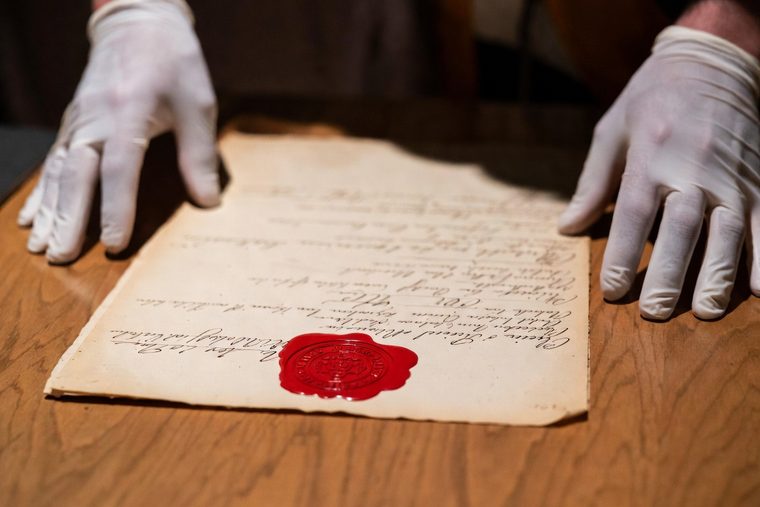
Consignment review
Chain of title.
Ownership history verified against the original record, ahead of a lot being confirmed for sale.
Source connects auction houses with vetted contributors who carry out archival and provenance research in person, across archives, libraries, and private collections worldwide.
Free to scope. Quoted before you commit. Retrieved at the best possible cost, with full privacy considerations.

Log research needs as they come up over the course of a season, rather than dealing with each inquiry as a one off, and send the full batch out to be worked through whenever you are ready. Through a dashboard and a dedicated point of contact, you do not need to find a researcher or work out where the material actually is. You tell us what you need and we retrieve it.
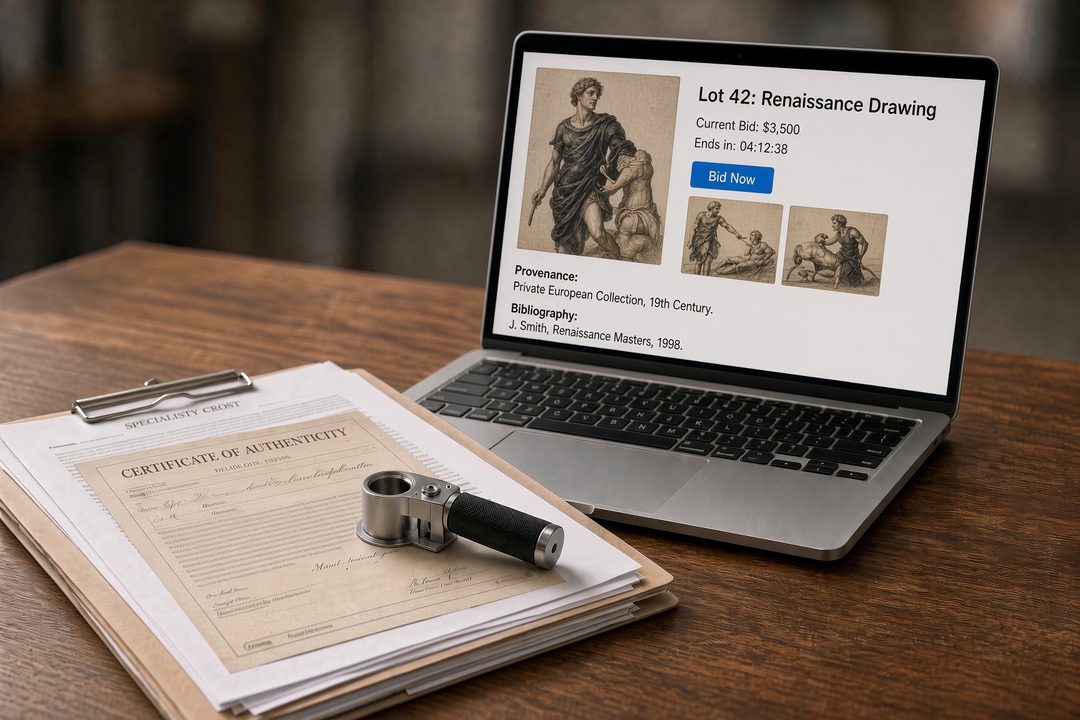
Individual requests are quoted one at a time, at a median fulfilled cost of £65. Teams running research across a full sale calendar can fix the cost in advance instead, with a credit package drawn down as the work comes in.
One credit is one library search. Three credits are one archival search. For teams whose research needs vary greatly from one object to the next.
Works out at £50 a library search, below the £65 median for one off requests.
Single type packages, for a programme that is entirely library work or entirely archival, are arranged on request.
A rolling subscription is available for teams that want continuous capacity rather than a fixed block. No success fee is charged on any package. Research is never priced against what it finds.
Discuss a packageSource has vetted researchers across a growing international network who hold live reading-room credentials at their local archive, library, or private collection. New locations are added daily. Median first response is 18 hours. Median fulfilled cost is £65 per request.
Sourcing material internationally is as much a geographical challenge as a financial one. Verifying a bibliographical reference, an exhibition history, or a provenance claim usually means someone physically retrieving the record, often an intern sent to a library for the day, and considerably more time and cost again if the material happens to be held abroad.
Ownership history verified against the original record, ahead of a lot being confirmed for sale.
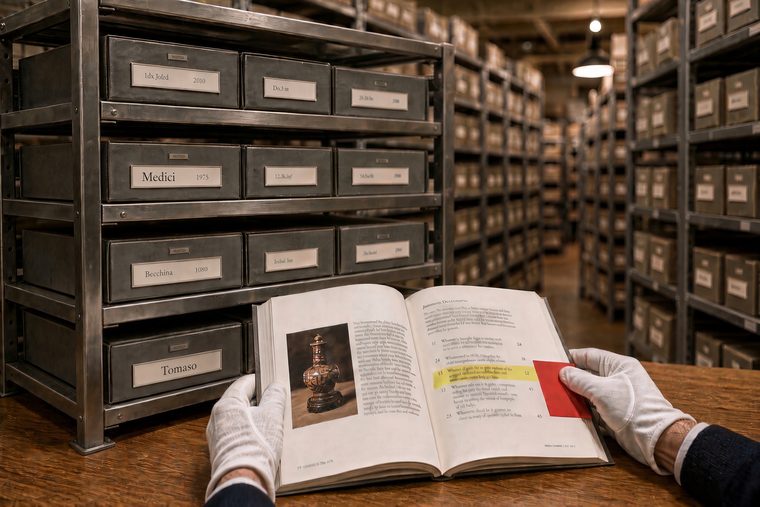
Exhibition history and bibliographical references checked at the archive, library, or collection where the record actually lives.

Provenance review across sale categories, handled by a contributor familiar with the language, archive, and subject area.
Describe the record, archive, or institution if you know it. Log it through the dashboard as it arises. Your dedicated research assistant will be able to guide you and refine your requests.
A contributor familiar with the language, the archive, and the subject area reviews the request and quotes.
The record is retrieved in person and the information requested is checked against the original, no matter where it lives.
Findings are delivered directly to your team. For enterprise members, the transaction is considered complete only after the client has marked it as accepted.
Median figures from the last 90 days of fulfilled requests. You see a quote before you commit to anything.
Every research request goes to the contributor best placed to handle it, someone familiar with the language, the archive or the library, and the subject area. This is what makes the process cost efficient and seamless: no wasted travel, no time lost briefing someone up to speed, and no delay waiting for the right contact.
Closing that gap is the whole model. Every finding is checked against the primary record itself, no matter where it lives.
"An uncorrected citation in a private acquisition is a quiet problem. The same citation in a printed sale catalogue is a public and often irreversible one."
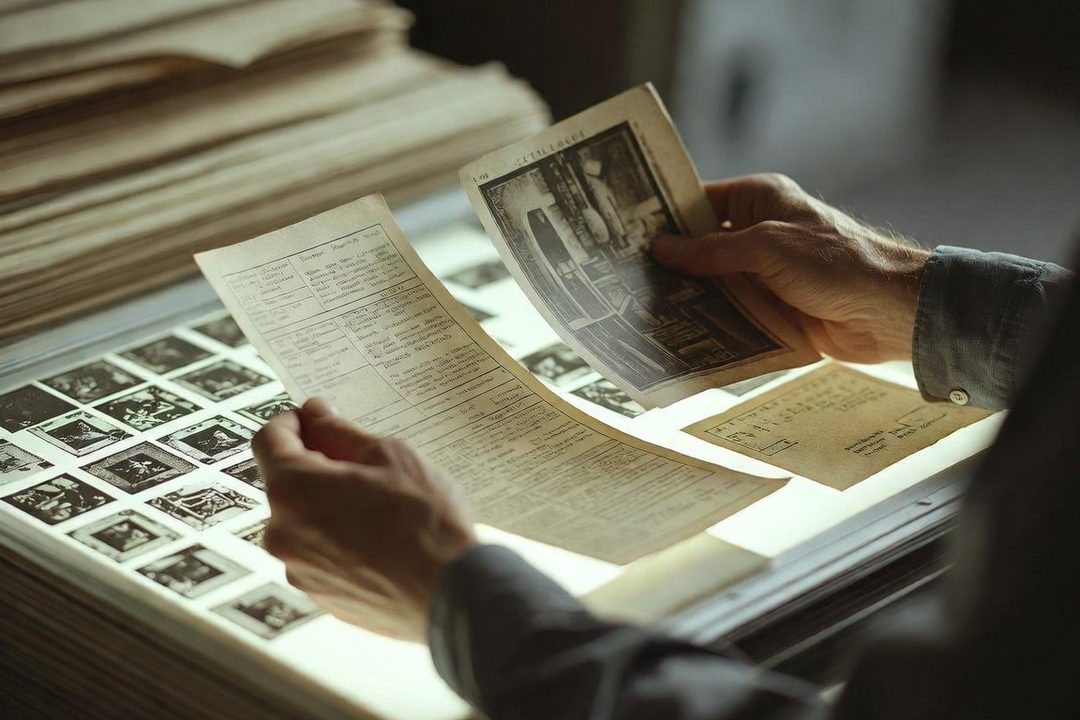
Source connects auction houses with vetted local contributors who retrieve and verify provenance, exhibition history, and bibliographical records in person, at the archive, library, or collection where they are held. This supports consignment review ahead of a sale, where the credibility of the underlying research can matter as much as its conclusions.
Your team can log research needs as they come up over the course of a season, rather than handling each request as a one off, and send the full batch out to be worked through whenever you are ready. It functions as your own dedicated research environment, accessed through a dashboard and a dedicated point of contact.
Yes. Verifying a bibliographical reference, an exhibition history, or a provenance claim usually means someone physically retrieving the record. Source replaces the need to send an intern or staff member abroad with a contributor already based where the material is held.
Yes. Every request is handled in confidence and matched with the contributor best placed to handle it, someone familiar with the language, the archive, and the subject area. Findings are delivered directly to your team.
No. Every finding is checked against the primary record itself, no matter where it lives, rather than being summarised from a database or a model. An uncorrected citation in a printed sale catalogue is a public and often irreversible problem, which is exactly what this process is built to prevent.
Most requests fall between £100 and £400 for provenance and consignment due diligence work, with a median fulfilled cost of £65 across all request types. Material is retrieved at the best possible cost, with full privacy considerations, and you receive a quote before committing. Teams working at volume across a sale calendar usually take a £5,000 credit package instead.
Median first response is 18 hours. Because requests can be logged and batched over a season, research can be scheduled to land well ahead of the relevant sale calendar rather than being requested at the last minute.
Credits are drawn down as requests come in rather than allocated up front, so a season that turns out to be heavier on archival work than expected is handled within the same package. That flexibility is why most auction house teams work with us on credits rather than request by request. Write to [email protected] to talk it through.
If your team has research that would normally mean sending someone out to an archive or library, a short call will clarify how Source can help before the next sale calendar. No obligation, no cost to scope it.