
Legal due diligence
Registries and boxes
Public-registry filings, declassified material, and historical corporate records, retrieved in person from the institution holding them.
Source is a research network that connects legal teams with vetted contributors who carry out archival and provenance research in person, across archives, libraries, and private collections worldwide.
Free to scope. Quoted before you commit. No success fee, so the work stays independent of outcome.
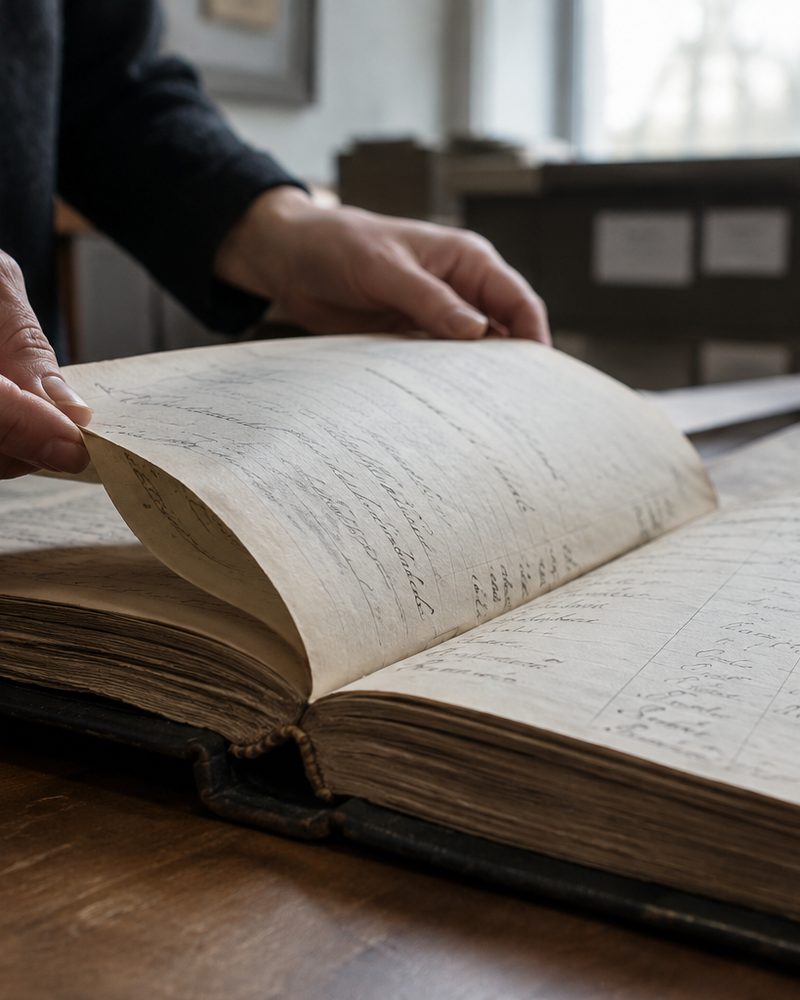
For firms handling title disputes or restitution work on an ongoing basis, Source sets up a standing research allocation, so a case can be resourced quickly without renegotiating scope and budget every time a new matter comes in.

Individual requests are quoted one at a time. Firms running research across several live matters can fix the cost in advance instead, with a credit package drawn down as the work comes in.
One credit is one library search. Three credits are one archival search. That works out at £50 a library search or £150 an archival one, below what the same work costs quoted one request at a time.
Unused credits roll over at the end of each month, so a quiet month on the docket is not lost. Pay by card or invoice.
Talk to us →Single type and custom packages are available for a clearly defined research need. Ask when you get in touch.
In title disputes and restitution matters, the credibility of the underlying research can matter as much as its conclusions. A provenance claim, a chain of title, or a historical corporate filing is only as strong as the record it is checked against, and that record is often sitting in a physical archive no database has ever reached.
Public-registry filings, declassified material, and historical corporate records, retrieved in person from the institution holding them.
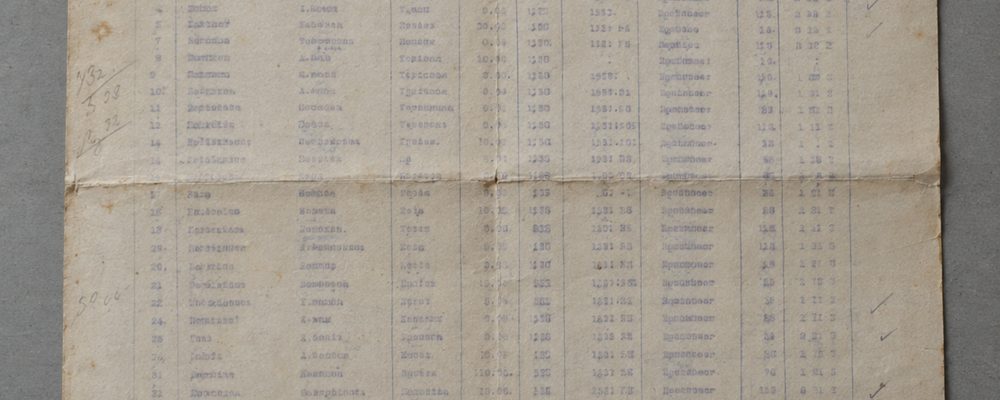
Notarial archives, customs records, exhibition catalogues, and auction provenance, verified against the original rather than a summary of it.
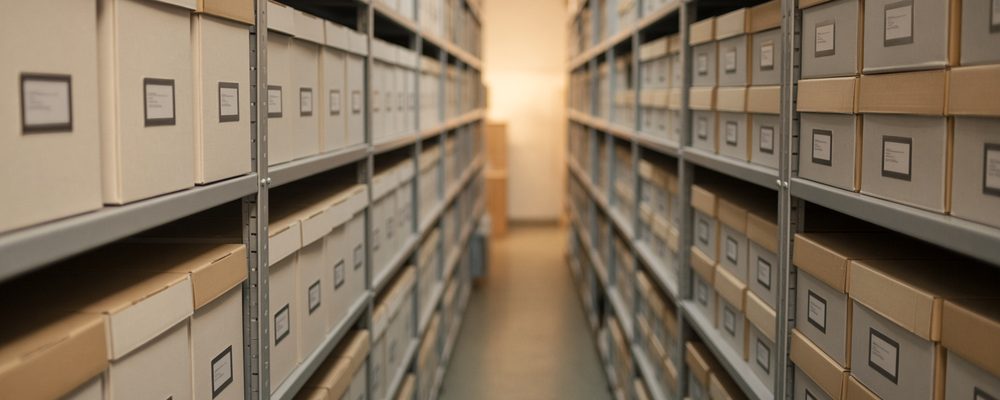
Due diligence checks, risk assessment of existing provenance information, and compilation of the provenance folder.
Tell us the archive, registry, or institution if you know it. If not, describe what you are trying to establish and we will identify where it is held.
A vetted contributor with credentialed access to the relevant institution reviews the request and quotes.
The record is retrieved in person, checked against the original, and transcribed where needed.
Findings are delivered directly to your firm. Payment is released only once you have approved delivery.
Source has vetted researchers across a growing international network who hold live reading-room credentials at their local archive, library, or private collection. New locations are added daily.
Figures from the last 90 days of fulfilled requests. You see a quote before you commit to anything.
Provenance claims are increasingly built on citations no one has actually checked against the original document, pulled from tools that summarise rather than verify. At Source, closing that gap is the whole model. Every finding is checked against the primary record itself, in the archive or collection where it lives, not reconstructed from what a database or a model suggests it should say.
"Research is human conducted, with no AI involved, and no success fee, so the work stays independent of outcome even where it is contested."
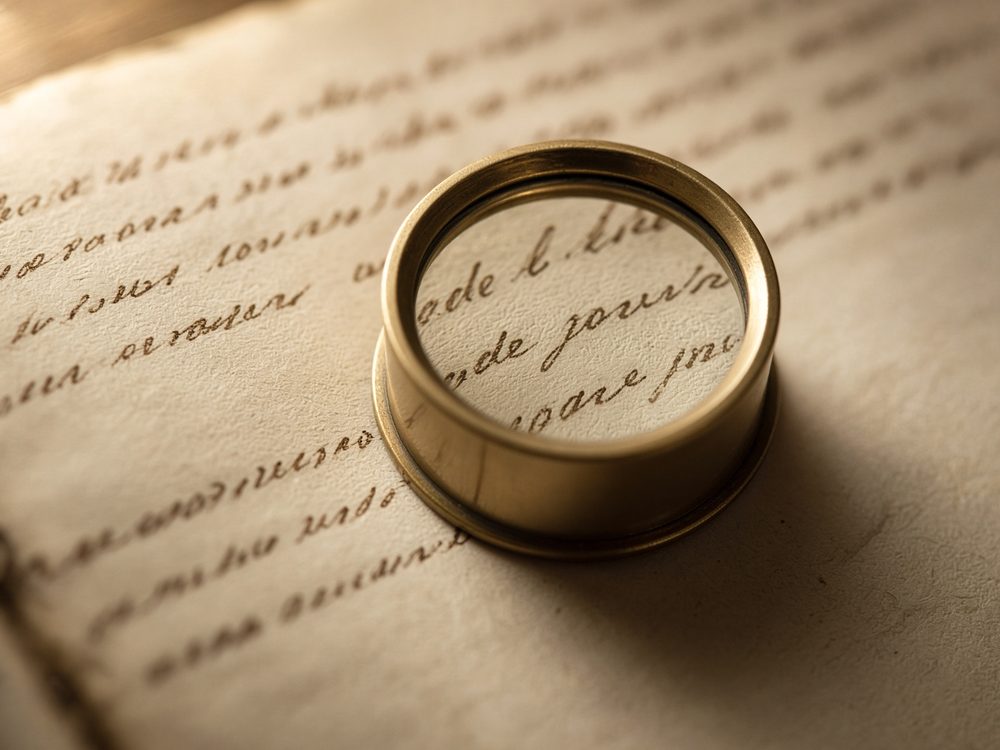
Provenance research traces the ownership history of a property, object, or right, using primary sources such as notarial deeds, land registry filings, and historical corporate records. In a title dispute, the outcome often depends on whether that ownership chain can be verified against the original document rather than a summary or a secondary citation.
Every record is retrieved in person by a vetted contributor with direct, credentialed access to the holding institution. Findings are checked against the primary record itself, in the archive or registry where it is held, not reconstructed from a database or generated by AI.
Yes. For firms handling this kind of work on an ongoing basis, the Enterprise credits package gives you standing capacity, so a matter can be resourced quickly without renegotiating scope and budget each time a new case comes in.
Yes. Every request is handled in confidence and matched with the contributor best suited to it. Findings are delivered directly to your firm and are never published or shared without consent.
No. Research is human conducted, with no AI involved at any stage. Provenance and title claims are increasingly built on citations no one has checked against the original document. Source closes that gap by verifying every finding against the primary source itself.
Individual requests are quoted before you commit, and most legal due diligence and provenance requests fall between £100 and £400. Firms with ongoing work can take the Enterprise credits package instead, at £5,000 a month for 100 credits. There is no success fee, so the work stays independent of outcome even where a matter is contested.
A first response typically arrives within days. Most records are retrieved, photographed, and where needed transcribed within a week, by a contributor who already holds access to the relevant archive or registry.
Credits are drawn down as requests come in rather than allocated up front, so a matter heavier on archival research than planned is handled from the same balance. Unused credits roll over at the end of each month.
A short call is often enough to see whether Source is relevant to what you are handling. No obligation, no cost to scope it.