Documentary & drama
Footage and production files
Film archives, national collections, and private holdings, retrieved in person by a contributor matched to the material.
Source connects production teams with vetted contributors who retrieve records in person, across film archives, national collections, libraries, and private holdings worldwide. Post one request when you need it, or hold a block of prepaid credits for a series.
Free to scope. Quoted before you commit. No AI used at any stage.
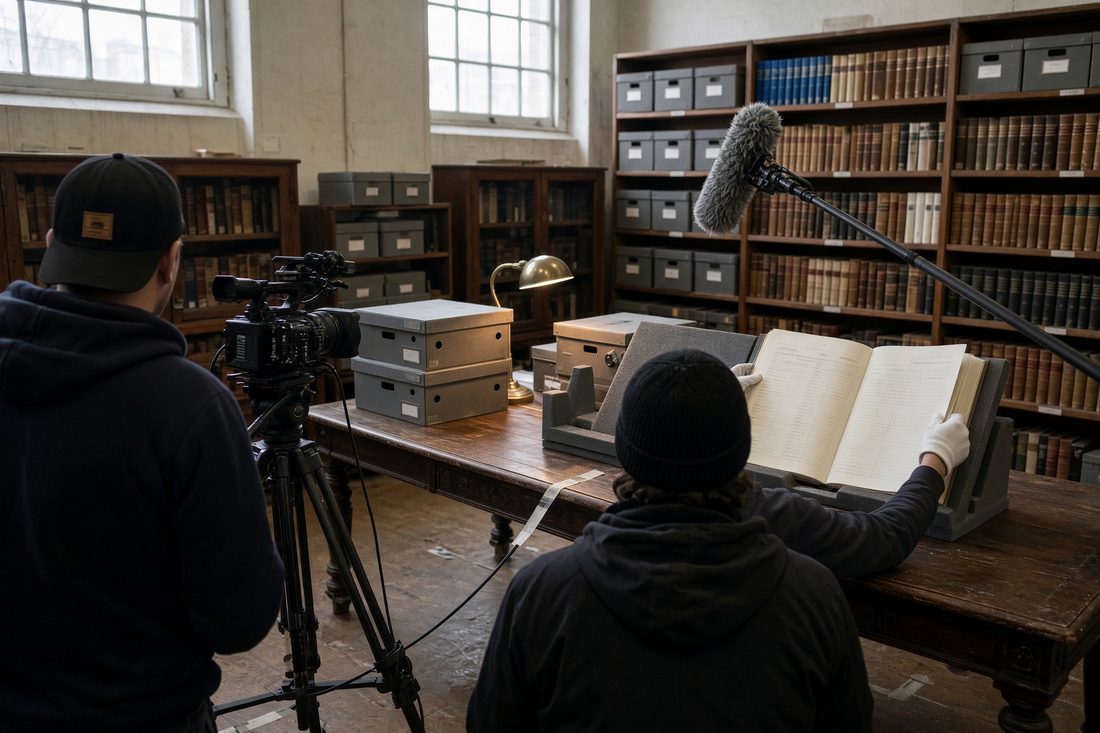
For a returning series, or a format rolling out across several territories, hold a block of prepaid research credits so each new subject or territory is picked up straight away by a contributor already in our network, rather than sourcing someone new for a single episode.
Individual requests are quoted one at a time. Productions running research across a full season, or across several territories, can fix the cost in advance instead, with a package drawn down as each subject comes in. You can move between the two.
Quoted before you commit.
A mix of library and archival searches, adapted to your team and the shape of the series. Larger packages on request.
A request that returns no findings still uses its credits or fee, because the search work is the same. Prices exclude VAT.
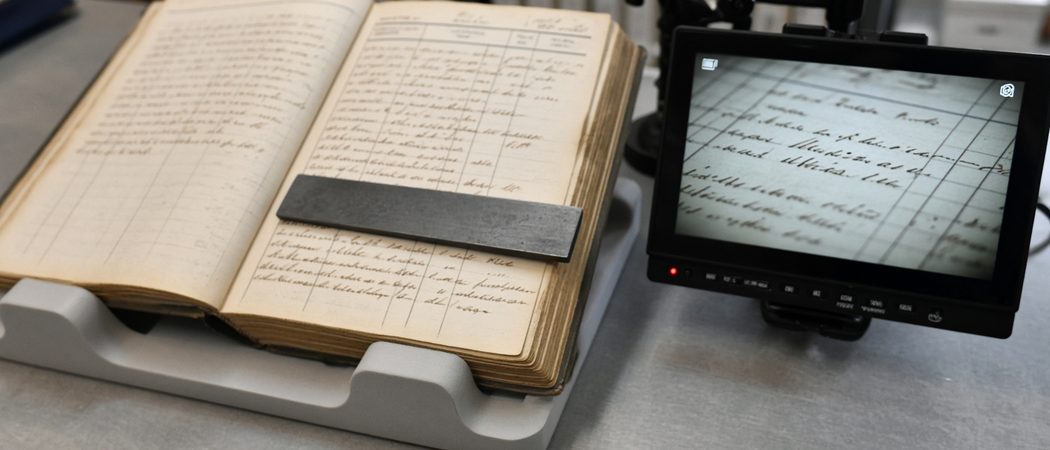
For documentary and drama productions, the difference between a strong archive sequence and a weak one often comes down to whether someone has actually checked the original material. A lot of research stalls at the point where the record simply isn't digitised. Catalogue entries exist, but the footage, the production file, or the personal papers are only accessible in person.
Film archives, national collections, and private holdings, retrieved in person by a contributor matched to the material.
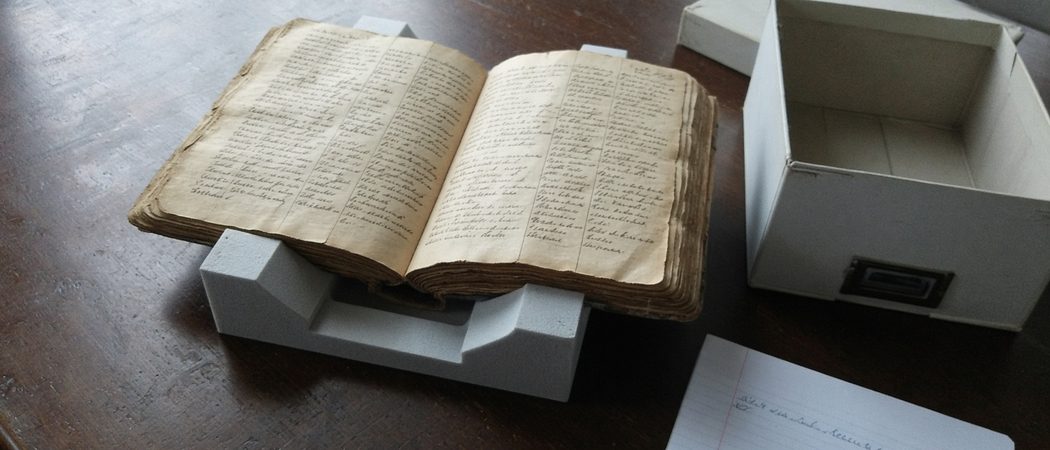
The strongest story often sits in a country or archive your usual researchers don't cover. Source is built for that gap.
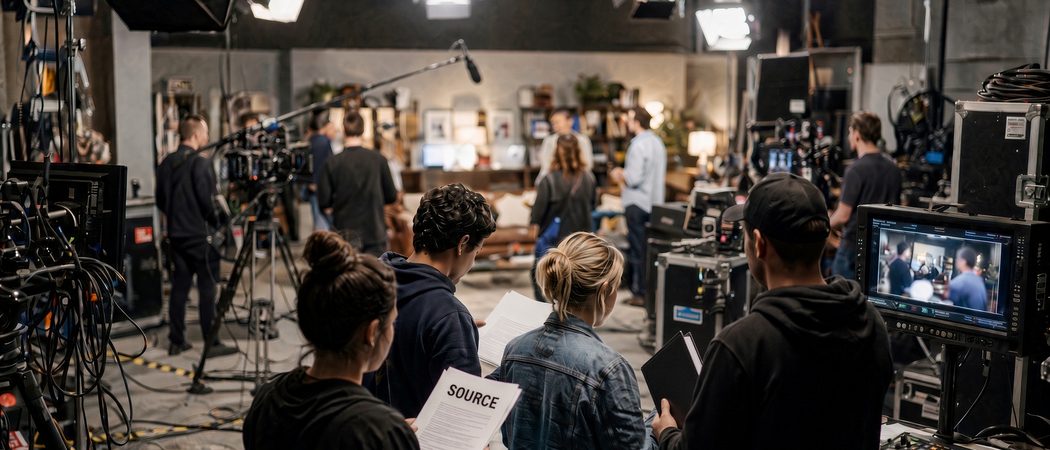
Every claim traced to a primary record, so what goes on screen rests on the document, not a summary of it.
Source can identify and discover archive footage, but does not arrange licensing and grants no permission to distribute or broadcast. The production deals with the rights holder directly.
Tell us what you're trying to find and the archive, registry, or territory if you know it.
A contributor with live reading-room or collection access reviews the brief and quotes. On a credit package, your Source associate agrees the estimate with you first.
The record is retrieved in person, with photographs and transcription where needed.
Findings land in your inbox in writing, with document copies and archival references.
These are typical figures rather than guarantees, and longer where the holding institution has to be found first. If you have a fixed deadline, give it to us up front.
Source has vetted researchers across a growing international network who hold live reading-room credentials at their local archive, library, or private collection. New locations are added daily.
Median figures from the last 90 days of fulfilled requests. You see a quote before you commit to anything.
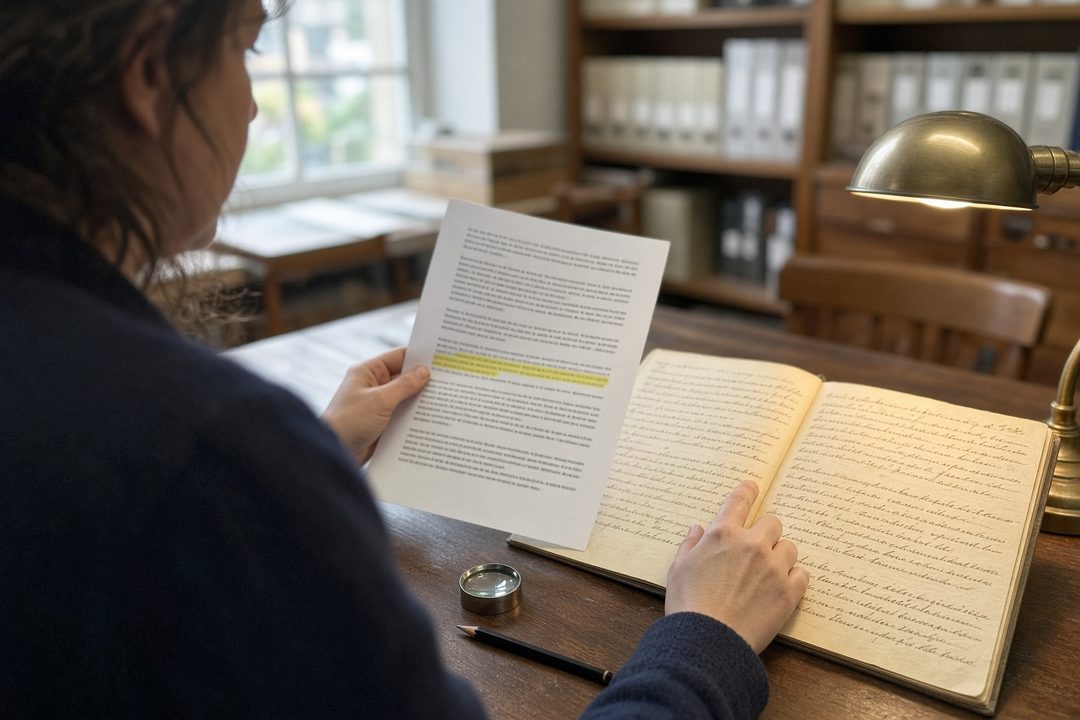
Every finding is checked against the primary record itself, in the archive, registry, or collection where it's held, by someone who has handled it in person. An anonymised example can be provided on request, so you can judge the standard for yourself.
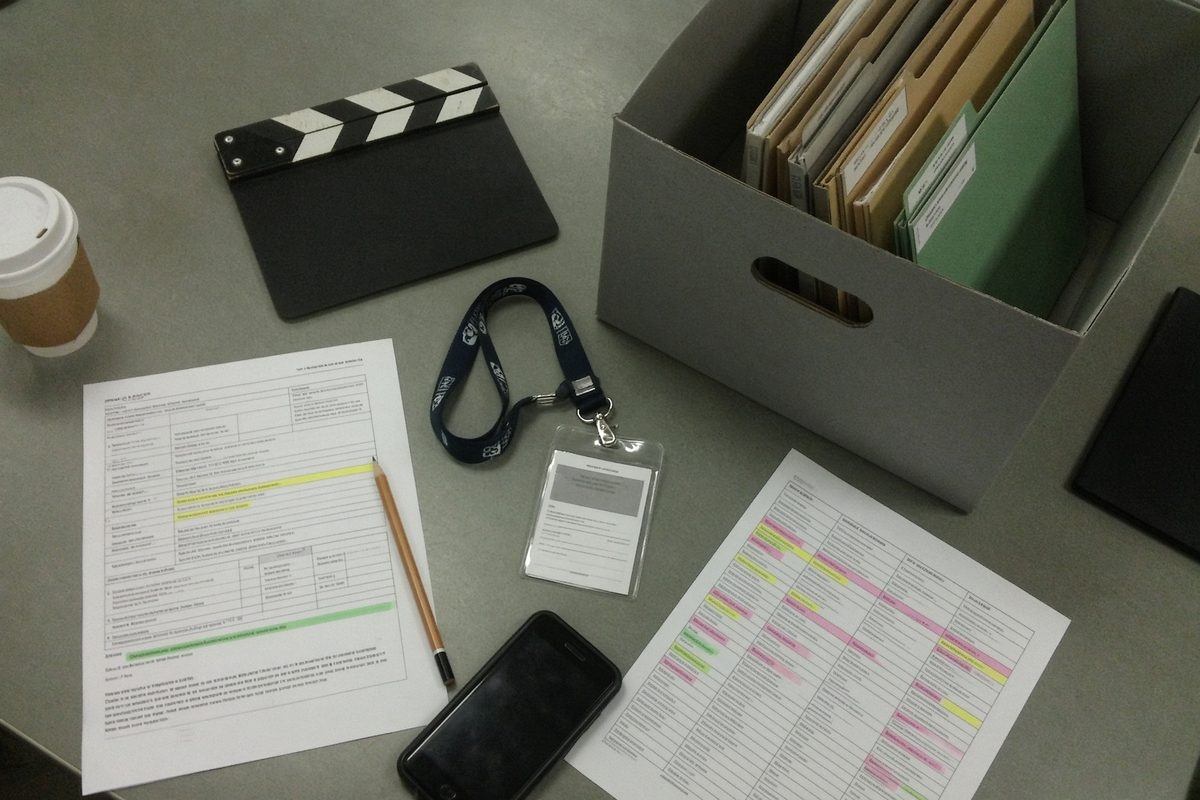
If what was delivered does not match the brief, raise it at the time. Source mediates, comparing what was requested against what was delivered, and a redo follows only where that is upheld.
"What goes on screen rests on the document, rather than on someone else's summary of it."
Source connects production teams with vetted contributors who retrieve records in person, across film archives, national collections, libraries, and private holdings worldwide. This covers documentary and drama archive research as well as family and social history formats.
Most often, not because the record doesn't exist, but because no one is physically based where it's held. Catalogue entries exist, but the actual footage, the production file, or the personal papers are only accessible in person. Source contributors are already in the relevant archive or registry, so a brief that would normally take weeks to resource can be turned around in days.
Yes. A production can hold a block of prepaid research credits, so each new subject or territory is picked up straight away by a contributor already in our network, rather than sourcing a new local researcher from scratch each time.
Every finding is checked against the primary record itself, in the archive, registry, or collection where it's held, by someone who has handled it in person, so what goes on screen rests on the document rather than on someone else's summary of it. An anonymised example can be provided on request.
No. Increasingly, genealogical and historical claims rest on citations no one has checked against the original document, often pulled from tools that summarise rather than verify. Source closes that gap by verifying every finding against the primary source itself.
Most individual requests fall between £100 and £400, and you receive a quote before committing. Production packages run from £700 to £5,000, covering 10 to 100 checks. A request that returns no findings still uses its credits or fee.
A first response typically arrives within 24 to 36 hours, and typical turnaround is a few days, rather than the weeks it usually takes to source and brief a new local researcher from scratch. Tell your associate about any fixed deadline when you post the brief.
Yes. Individual requests are quoted one at a time, with no contract and no minimum spend. You can move to a package when the volume justifies it.
No. Source can identify and discover archive footage, but does not arrange licensing and grants no permission to distribute or broadcast. The production deals with the rights holder directly.
Yes. Every request is handled in confidence, and can be posted without naming your production if you prefer.
Send over what you're working on and we'll tell you what we could realistically find and how quickly. No obligation, no cost to scope it.
If someone else on your team handles research, feel free to pass this on to them.